



Children’s learning environments shape how they process information, manage emotions, and stay engaged. When spaces are designed with intention, children experience comfort, safety, and readiness to learn. Without this thoughtful design, distractions and sensory overload can easily interfere with their ability to focus—especially for students with diverse learning needs.
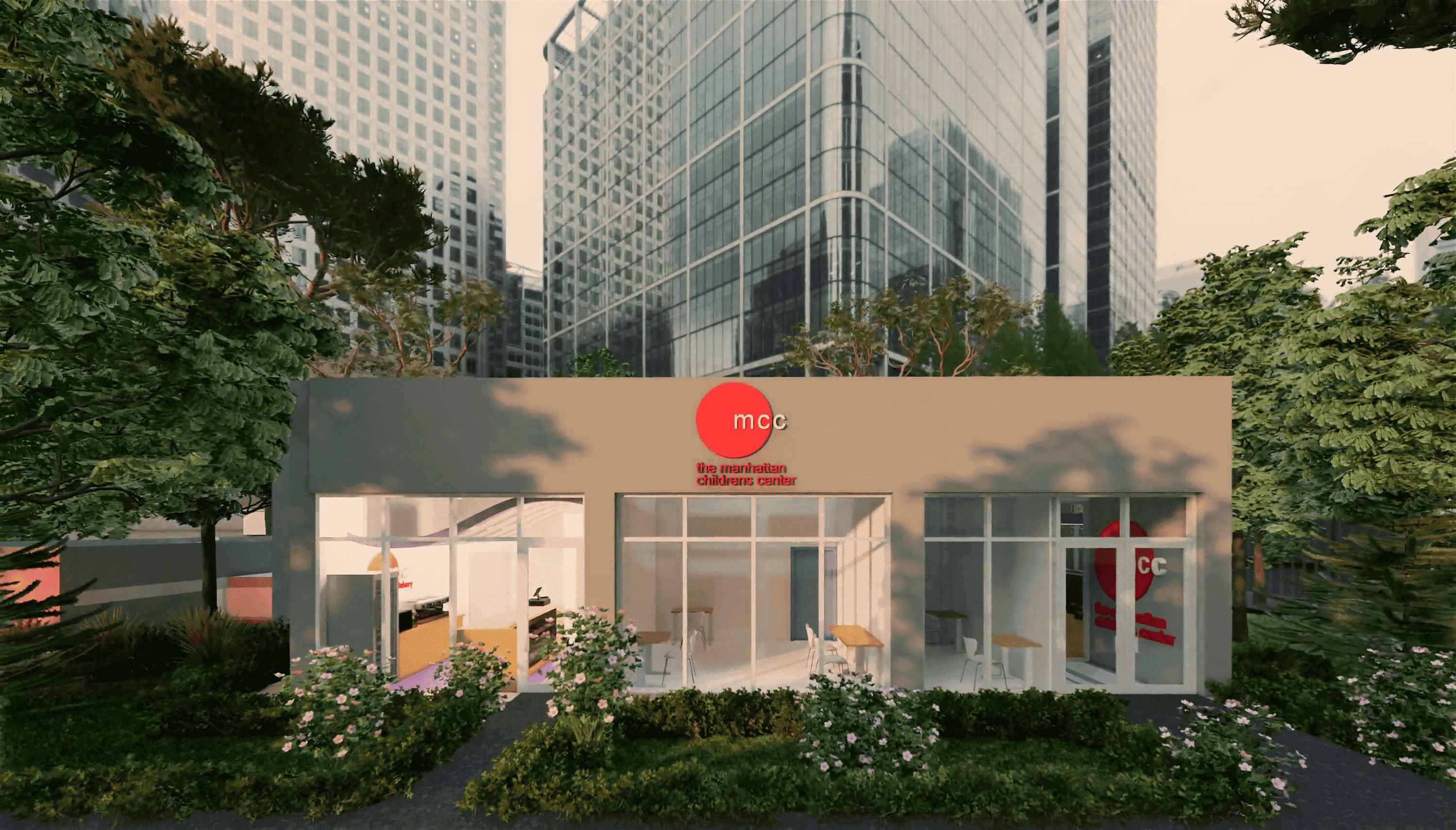
At Manhattan Children’s Center (MCC), the environment is created even before the child enters through the doors. Every corridor, classroom, corner, and space of senses is appropriately designed. Our goal is simple: to build a world where every child feels understood, supported, and empowered to thrive.


The Power of the Environment in Learning
Why Physical Space Matters?
An anxious, overstimulated, or even uncomfortable child is unable to engage in learning thoroughly. Physical space plays a key role in helping students stay regulated and involved. Elements such as lighting, color, design, and movement pathways—though small—have major impacts on emotional comfort and cognitive readiness.
For many sensory-sensitive learners, even everyday environmental features like harsh lighting or echoing noise can interrupt learning. Reducing these barriers helps students remain calm, confident, and ready to participate.

Creating Comfort from the Curb to the Classroom
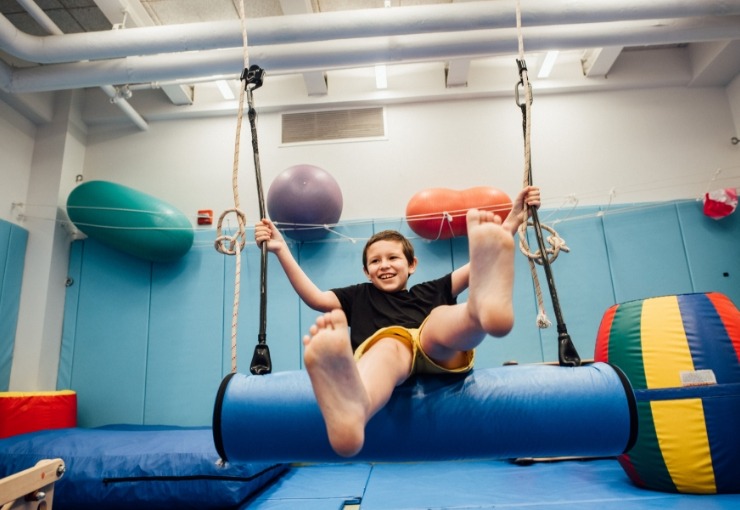
At MCC, attention to detail begins at drop-off. A predictable, organized arrival routine helps students enter the day feeling settled. Inside the building, intentional design supports them at every moment—with carefully selected lighting, designated rest areas, therapy gyms, quiet zones, and open movement spaces for scooters and skateboards.

Each design choice balances structure and flexibility, giving students safe places to focus, reset, and move—supporting their whole development throughout the day.
Designing for Sensory Needs
Lighting That Supports Learning
Lighting significantly affects mood and regulation. Bright, intense lighting can be stressful, while natural or soft lighting helps individuals feel calm.MCC incorporates lighting solutions tailored to sensory-sensitive learners.
Our spaces include:
- Recessed lighting that reduces glare
- Dimmable fixtures for adjustable comfort
- Soft, diffuse light sources
- Custom lighting for specialized learning spaces
All these features help learners remain relaxed and comfortable, regardless of the time of day or the activity they are engaged in.
Color Choices That Create Balance
The color influences power, concentration, and mood. MCC classrooms and hallways use soft, neutral tones to minimize overstimulation, while relaxation spaces offer individualized, adjustable lighting options.
These thoughtful designs include:
- Calming blues for relaxation
- Soft greens to support focus
- Bright pinks or purples for alertness
- Adjustable color systems for individual profiles
- Spaces where students can control the lighting to match their mood
The ability to control their environment makes students grounded and feel empowered.
Acoustics Designed for Comfort
Noise is one of the most common triggers of sensory overload. MCC applies acoustic strategies to provide peaceful, predictable spaces that reduce the sources of stress caused by sound.
These include:
- Sound-absorbing panels
- Carpeted areas to reduce echo
- Insulated walls for quieter classrooms
- Thoughtful placement of active and quiet zones
- Reduced ambient noise in hallways
By lowering noise levels, students can focus more on communication, learning, and social interaction.
Supporting Structure and Movement
Predictable Spatial Layouts
Clean, organized areas make students feel secure and oriented. Consistent layouts minimize confusion, especially during transitions.
MCC classrooms and shared spaces typically include:
- Wide, clear pathways
- Consistent room setups
- Clearly labeled areas
- Minimal visual clutter
- Logical movement flow
This structure helps students know what to expect, where to go, and how to spend their day comfortably.
Promoting Movement and Regulation
Movement is essential to learning—particularly for students who rely on sensory input to stay regulated. MCC provides intentional spaces for safe, purposeful movement.
These areas may feature:
- Occupational therapy gyms
- Soft-play spaces
- Scooters and skateboards for controlled movement
- Climbing or balance stations
- Stretch and sensory rooms
Physical activities help students expend energy, control their bodies, and be back in business more concentrated and prepared.
Spaces That Support Emotional Regulation
Quiet Zones for Self-Regulation
When students become overwhelmed by noise, movement, or sensory input, quiet zones offer a safe and calming retreat.
These spaces often include:
- Soft seating or cushions
- Low lighting
- Calming textures
- Privacy without isolation
- Visual supports for self-soothing
The quiet zones help ensure that students can control their emotions before they escalate.
Visual Supports That Build Independence
Visual supports reduce uncertainty and strengthen independence, helping students understand routines and expectations.
These supports commonly include:
- Simple, predictable signage
- Visual schedules
- Transition timers
- Step-by-step task guides
- Directional markers in hallways
When students know what to expect, they feel more confident and capable.
A Model Built on Collaboration
Facilities, Educators, and Therapists Working Together
Effective environments result from coordinated teamwork. At MCC, facilities staff collaborate closely with teachers and therapists to ensure every space aligns with educational and therapeutic goals.
This partnership helps ensure that:
- Classroom design matches educational goals
- Therapy spaces meet sensory and motor needs
- Routines remain consistent across all environments
- Students experience support throughout the school day
- The environment reinforces what is taught in classrooms and therapy
This consistency helps students apply their skills across settings, supporting long-term success.
A Transdisciplinary Approach That Guides Every Detail
MCC’s transdisciplinary model brings together teachers, therapists, behavior specialists, and caregivers. With shared goals and unified strategies, students experience consistency across classrooms, therapy sessions, home routines, and community activities.
This would make learning go beyond the classroom into halls, therapy rooms, home timetables, and field trips. It provides continuous, practical experience that helps students comprehend, practice, and apply skills in any environment.
Building Spaces with 17 Years of Growth and Innovation
For more than 17 years, MCC and its partner organizations have designed individualized learning environments for students with special needs. What started as a single classroom has expanded into four buildings serving more than 150 students.
Every expansion has presented a new understanding of balancing sensing comfort and learning objectives. Each generation, space is refined, improved, and tailored to our students’ needs. The objective is gradual progress – always towards the ideal combination of difficulty, ease, and chance.
Conclusion!
Children need consideration, imagination, and profound insight into the connection between sensory and emotional needs and learning to create environments in which they succeed. Children feel supported, relaxed, and willing to venture into new challenges when spaces are designed with attention to detail. With confidence, they can pay closer attention, participate, and develop.
At MCC, every corner of our buildings reflects this commitment—from lighting and acoustics to movement spaces and quiet rooms. When children feel safe and understood, they flourish. We are proud to create environments that help every student shine.
Discover additional information about the way the Manhattan Children’s Center creates new learning spaces. View our programs and find out how we help each kid develop and become independent.