



At Manhattan Children’s Center (MCC), we believe every child deserves dignity and opportunity. As a leading speech therapy school in New York City, MCC prepares students for more than academics. We prepare them for life. Independence, confidence, and real-world skills are developed every day through our programs.
With the transition of students into the Upper School, learning goes beyond textbooks. Like many strong speech therapy schools, MCC combines academics, daily living skills, and vocational training. Students are taught how to cook, clean, organize, and communicate effectively. They also learn how to work meaningfully in real-world environments.
Preparing Students for Real Life in Upper School
The Upper School represents an important turning point. Students begin applying their skills in practical ways. Education becomes more hands-on, practical, and meaningful.
Daily Living Skills That Foster Independence
Freedom begins with simple and routine chores. These jobs instill self-confidence. Students learn to:
- Adhere to recipes and make simple food.
- Clear the dishes and clean the workplace.
- Fold one piece of fabric at a time for laundry learning.
- Managing personal things and organizing the materials.
These are not side lessons. They are essential life skills. With each task, students develop responsibility and pride.
Vocational Skills Integrated into the School Day
Vocational education is incorporated into everyday life. Students practice:
- Follow stepwise instructions.
- Taking initiative without instructions.
- Asking for help when needed.
- Solving problems calmly.
- Completing tasks within a set timeframe
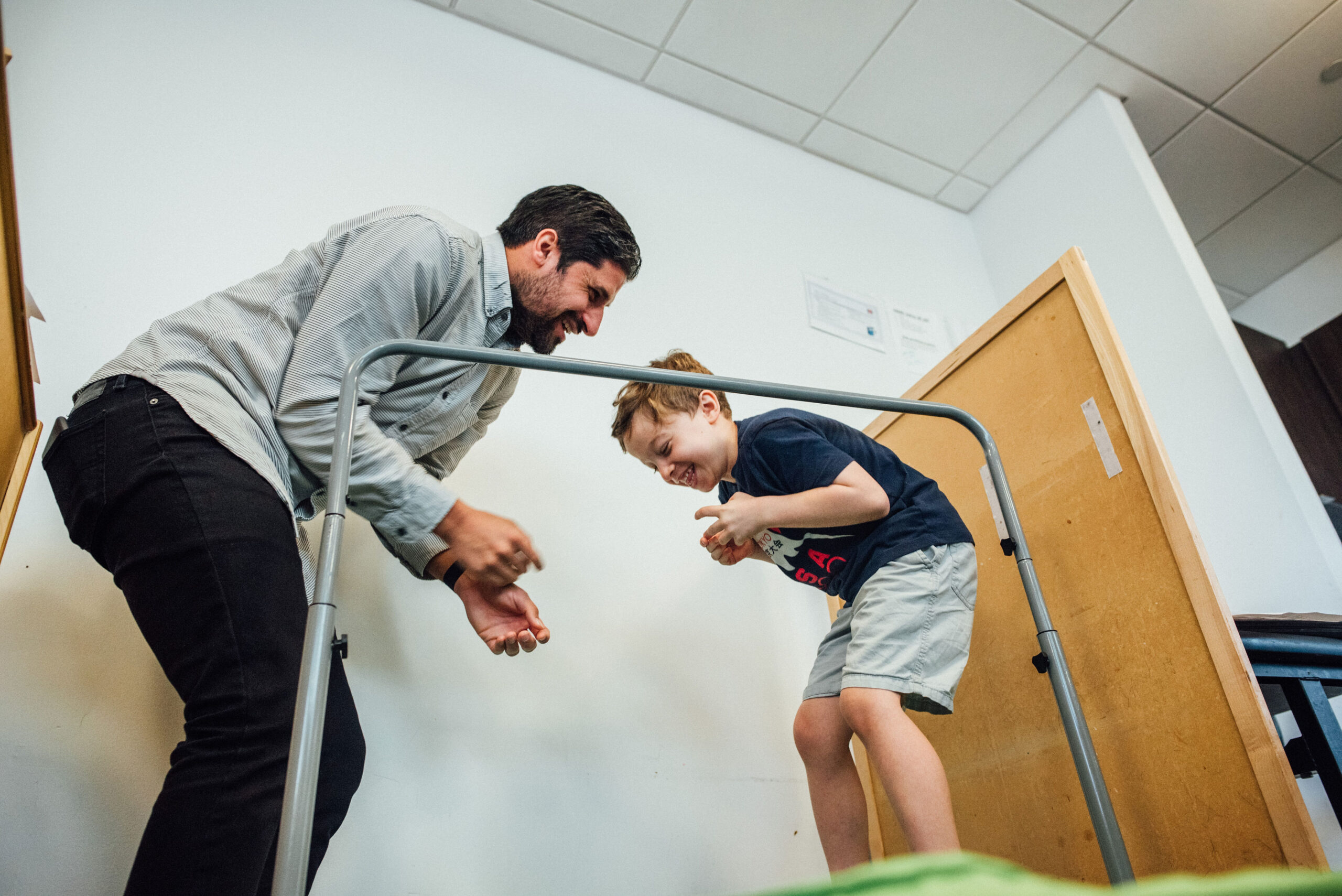
Job coaches take students through on-the-job assignments. It is regular and enabling support. Students learn that their work is important.
Real Responsibilities, Real Work Experiences
At MCC, vocational tasks are meaningful and authentic. Students complete real responsibilities both within the school and in the community.
A Typical Day in the Vocational Program
On any given day, you might see:
- A job coach supporting a student with scanning documents
- A student entering data into an internal system
- An occupational therapist helping organize a pantry
- Inventory is being tracked and labeled carefully
- A speech therapist practicing a customer service script
- A teacher reviewing math to double a bakery recipe
These experiences happen daily and with purpose. Students see the direct impact of their work and learn professional behaviors through these moments. They practice arriving on time and preparing materials before beginning tasks. They also learn how to accept feedback and adjust their work accordingly. Supervisors consistently model workplace expectations.
Over time, students begin to understand accountability. They see how reliability builds trust. These lessons are difficult to teach through theory alone—they must be experienced.
As students progress, they require fewer prompts and complete tasks with greater independence. This growth is both measurable and meaningful.
Building Transferable Workplace Skills
Through internships and on-site roles, students develop:
- Communication skills
- Flexibility in new environments
- Work stamina and focus
- Time management
- Team collaboration
Some supported internships take place within MCC, while others occur in community settings across different industries. Students learn how to adapt and how to contribute meaningfully.
For many students with autism, structured support is essential. Programs that reflect strong occupational therapy principles for autism ensure that sensory needs and motor skills are addressed alongside job training. This holistic approach strengthens overall performance.
Addressing the “Cliff” After Special Education
Students typically age out of special education services around the age of 22. At that point, guaranteed services often end. Families commonly refer to this transition as “falling off the cliff.”
The Reality After Graduation
After graduation, many young adults with disabilities face uncertainty. Federal programs may be:
- Underfunded
- Waitlisted
- Poorly structured
- Difficult to access
Employment barriers remain significant. Thousands of individuals with disabilities remain unemployed, while many others stop seeking work altogether. This gap highlights the importance of early vocational preparation. Students need practical skills before leaving school. They also need confidence before transitioning into new systems.
Without structured preparation, transitions can feel overwhelming. Families often struggle to find coordinated services. Employers may not understand necessary accommodations. Young adults can lose momentum quickly.
MCC addresses this gap proactively. Vocational exposure begins years before graduation. Skills are reinforced daily rather than taught once. By the time students approach adulthood, expectations feel familiar. The environment may change, but the foundation remains strong.
Why Early Vocational Training Matters?
MCC’s vocational program is embedded across the organization. It is not an afterthought. It is a priority.
By learning real skills early, students:
- Gain practical job experience
- Understand workplace expectations
- Practice self-advocacy
- Develop independence before adulthood
This preparation reduces fear of the unknown. It builds readiness for the future.
Strengthening Independence Beyond Employment
Vocational training is about more than jobs. It supports independence in daily life.
Life Skills That Extend Into the Future
When students learn to:
- Follow a recipe
- Double ingredients correctly
- Organize paperwork
- Maintain a tidy workspace
- Deliver items responsibly
They are preparing for adult life. These skills support future homes, workplaces, and communities.
Speech and communication remain central throughout this process. Clear expression builds confidence, safety, and autonomy. This is why services aligned with strong speech therapy school models remain integrated throughout the learning journey.
Empowering Self-Advocacy and Confidence
Students are encouraged to express their opinions. They learn to communicate their preferences and needs, ask for clarification, and approach problems constructively.
Collaboration with occupational therapists also plays an important role. Occupational therapy supports motor planning, organization, and sensory regulation, helping students remain calm, focused, and effective in workplace settings.
Each success builds self-belief. Each completed task reinforces purpose.
A Program Rooted in Purpose
At MCC, vocational education is not separate from academics—it is part of a whole-child approach. Students are recognized as capable and valuable individuals. Work experiences are authentic, expectations are meaningful, and support is personalized.
Our goal is simple: every student leaves prepared for employment, independence, and meaningful contribution. As a trusted speech therapy school in New York City, MCC continues to strengthen vocational pathways.
We believe every student deserves opportunity—and that every student’s work has meaning.